Powering Change
Installing since 2010 · 0118 951 4490 · info@spiritenergy.co.uk


You've got the panels on the roof, generating clean, renewable electricity, but there are several ways to go further and get significantly more value from your system. Here is a guide to the most worthwhile solar accessories available today.
Battery storage is the single biggest upgrade you can make to a solar system, and is now the most popular addition we recommend alongside new installations.
On average, a home without storage will use around 50% of the solar energy it generates, the rest is exported to the grid, typically at a lower rate than the cost of electricity you buy back in the evening. A battery changes that equation. Rather than exporting surplus generation for a few pence per kWh, you store it and use it yourself when the sun goes down, displacing grid electricity that currently costs significantly more.
With solar and battery storage combined, most households can cover 70–80% of their annual electricity demand from their own generation. Beyond self-consumption, modern batteries also offer:
Find out more on our home battery storage page.
A typical household's electricity consumption roughly doubles when an electric vehicle is added. Solar and EV charging are a natural pairing, but to get the most from the combination, you need a charger that can communicate with your solar system.
Solar-optimised EV chargers can detect when you have surplus generation and automatically increase the charge rate to absorb it, rather than letting it go to the grid. Most also support time-of-use tariff scheduling, so the car charges at the cheapest overnight rate when solar isn't available.
If you have battery storage as well, a well-configured system can prioritise filling the battery first, then direct remaining surplus to the car, maximising the proportion of your driving powered by your own solar.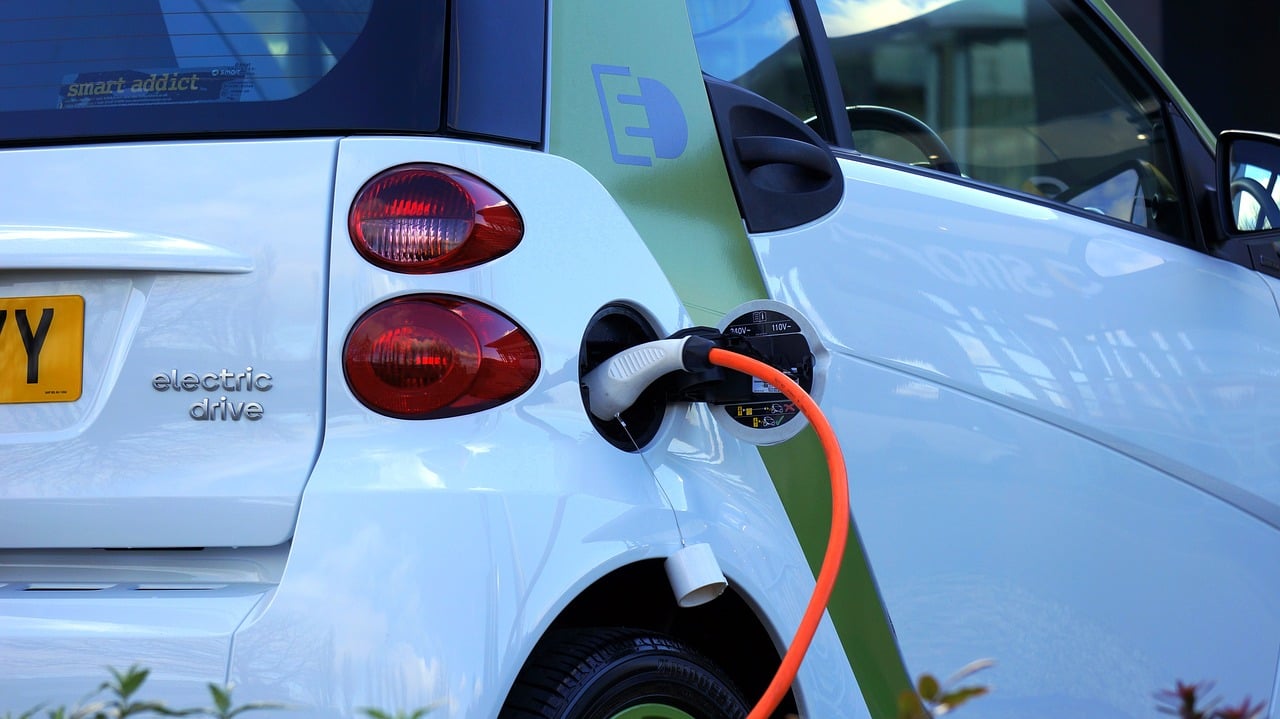
Find out more on our solar EV charging page.
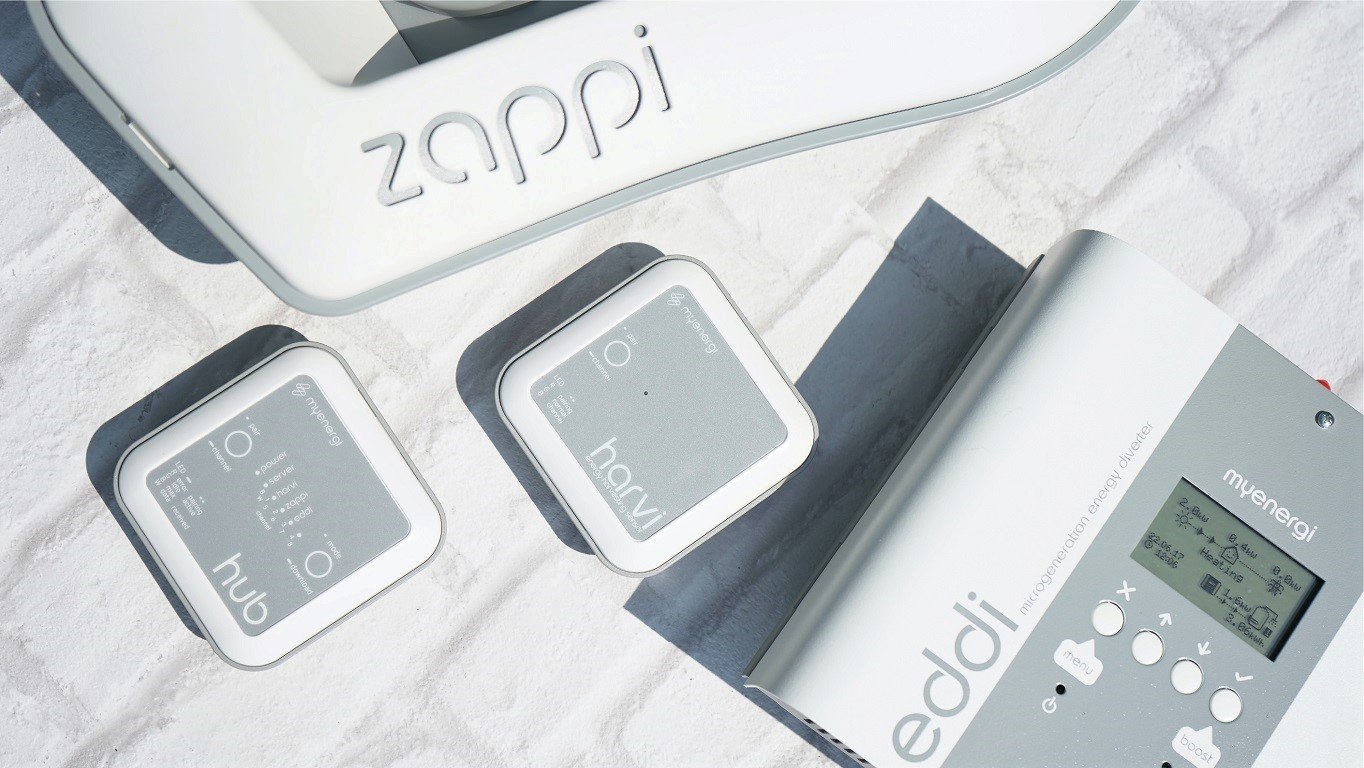
A solar immersion diverter (sometimes called a PV optimiser or solar diverter) is one of the most cost-effective solar accessories available. It monitors your solar output in real time and automatically diverts any surplus electricity, that would otherwise be exported to the grid, into your hot water immersion heater.
The result is free hot water on sunny days, without any manual intervention. For households that heat water electrically, a diverter can pay for itself quickly and is a worthwhile addition even if battery storage is already installed, since heating water is an efficient use of surplus energy that would otherwise earn only a small export payment.
Find out more on our solar hot water page.
Most modern inverters and battery systems include built-in monitoring via an app or online portal, giving you a real-time and historical view of your system's performance. Good monitoring lets you:
For systems with battery storage, monitoring typically covers the full picture, solar generation, battery state of charge, grid import and export, and household consumption, in a single dashboard.
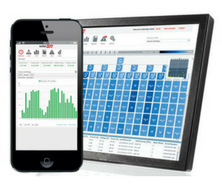 Monitors are available from specialists or the inverter manufacturers. See a demo on our live tracking page.
Once your solar system is installed, the last thing you want is birds moving into the shelter created by the gap between the panels and the roof. Nesting birds can damage cables and electrical components, create a fire risk, and block gutters and drainage, all of which are avoidable with the right protection fitted from the start.
Solar bird protection typically takes the form of specialist mesh skirting fitted around the perimeter of the array, preventing access without causing any harm to birds. Spikes can also be used on the panel frames where birds tend to perch. It is a small additional cost at the time of installation that avoids a much larger problem later.
Find out more on our bird protection page.
If your inverter is due for replacement, it is worth considering whether to upgrade to a SolarEdge system at the same time. Standard string inverters optimise the array as a whole, which means shading, soiling, or degradation affecting one panel reduces the output of every panel in the string.
SolarEdge fits a power optimiser to each individual panel, allowing every panel to perform at its own maximum regardless of what the others are doing. The result can be up to 25% more generation on affected systems, alongside panel-level monitoring that makes it easy to spot faults and underperformance.
Retrofitting SolarEdge is rarely cost-effective unless your inverter already needs replacing or you have scaffolding in place for other roof work, the cost of access alone typically makes a standalone upgrade hard to justify financially. If you are replacing your inverter anyway, however, it is a worthwhile upgrade to consider.
Find out more on our SolarEdge page.